
Editor's Note: The following article was originally published by the Richmond Times-Dispatch and reported by Sean Jones.
July 19, 2026
Virginia remains one of the nation's stronger markets for electric vehicles, but new data suggests consumers are taking a more measured approach to buying them as affordability, charging convenience and the end of federal purchase incentives reshape the market.
Electric vehicles accounted for 5.86% of new vehicle sales in Virginia during the first quarter of 2026, according to the Alliance for Automotive Innovation's quarterly Get Connected Electric Vehicle Report. That's down from 7.86% during the same period a year earlier, though slightly above the state's 5.34% market share during the fourth quarter of 2025.
Virginia ranked 15th nationally in EV market share, with 4,846 electric vehicles sold during the quarter.
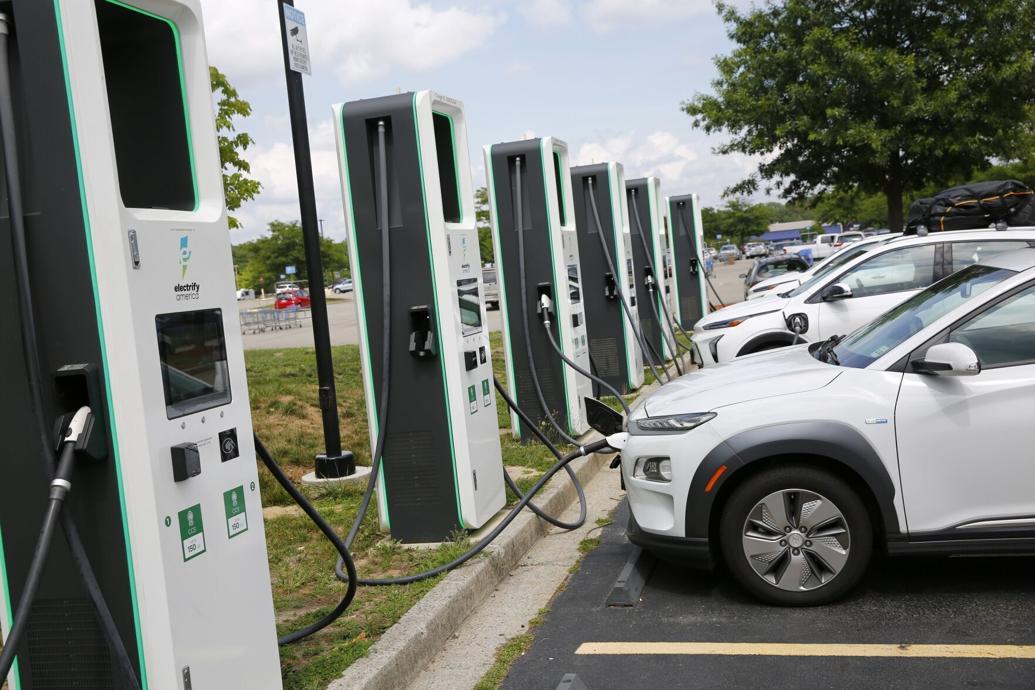
Virginia's trend largely mirrors the national market. Electric vehicles represented 6.3% of new light-duty vehicle sales across the United States during the first quarter, down from 9.6% a year earlier, according to the Alliance.
Tax credit expiration resets the market
Industry analysts say the market is still adjusting after the end of federal purchase incentives rather than entering a prolonged decline.
"The EV market is like a puddle finding its level after a big splash," said Sean Tucker, managing editor for Kelley Blue Book.
Last year's expiration of the federal $7,500 EV tax credit triggered a rush of buyers trying to qualify for the incentive before it disappeared, followed by a sharp decline in sales once those purchases had been made.
"We don't know what its natural level is without that incentive, and it's still settling after all that disruption," Tucker said.
Higher gasoline prices have generated more consumer interest in EVs, Tucker said, but that doesn't necessarily translate into immediate purchases.
"Searching is free," Tucker said. "People are much slower to commit tens of thousands of dollars to the decision."
Virginia's first-quarter decline followed an unusually volatile year for EV sales nationally. Year-over-year declines have steadily narrowed from 36% to about 20%, suggesting the market is beginning to stabilize, Tucker said.
Affordability outweighs fuel prices
Jeff Kelley, spokesperson for the Virginia Automobile Dealers Association, similarly said gasoline prices are only one factor consumers consider, with affordability, charging access and daily driving habits often carrying more weight.
Kelley said consumers continue to balance the benefits of electric vehicles against practical considerations that extend beyond gasoline prices.
"The two words are affordability and practicality," Kelley said.
While higher gasoline prices may spark interest in electric vehicles, Kelley said they rarely drive purchasing decisions on their own. Instead, buyers tend to weigh the higher upfront cost of an EV, whether they have access to home charging and whether an electric vehicle fits their lifestyle.
"The higher cost of many EVs is still something consumers have to consider," Kelley said.
Kelley said the expiration of federal purchase incentives removed one financial advantage that had helped offset the higher purchase price of many electric vehicles, making affordability a larger consideration for prospective buyers.
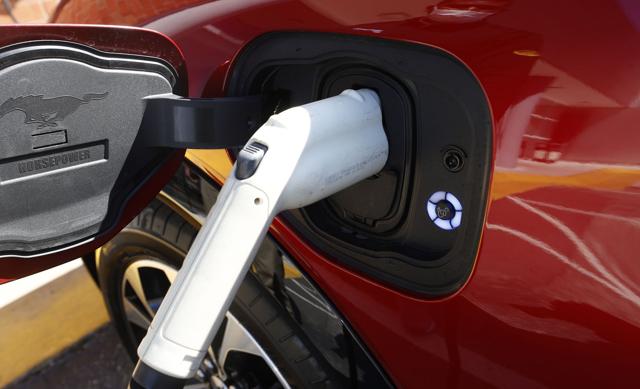
Practical concerns also continue to shape purchasing decisions. Homeowners with garages and relatively short daily commutes may find an electric vehicle an easy fit. Renters, apartment dwellers and families who frequently travel long distances often face a different calculation because they may have limited access to charging or prefer the convenience of traditional fueling.
For many buyers, Kelley said, hybrids have become an attractive middle ground, offering improved fuel economy without requiring drivers to plug in or plan around charging stations.
According to Tucker, hybrid sales continue to outperform the broader auto market. While overall U.S. vehicle sales fell about 2.2% during the first half of 2026, hybrid sales increased roughly 9%.
Some of that growth reflects consumer comfort with hybrid technology, which has been available for decades, he said. But automakers themselves are also pushing more buyers toward hybrids by making some of their most popular vehicles hybrid-only.
Toyota's redesigned RAV4, one of the nation's best-selling vehicles, is now sold exclusively as a hybrid, while Jeep has taken a similar approach with the Cherokee.
"You can only buy the cars they build," Tucker said.
Charging network continues to expand
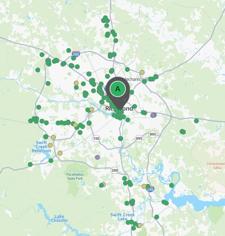
The slowing pace of EV sales comes even as Virginia continues investing in charging infrastructure.
At the end of the first quarter, Virginia had approximately 166,500 electric vehicles on the road and 5,328 publicly available charging outlets, according to the Alliance. Those include 1,664 DC fast chargers, with 39 new fast chargers added during the first three months of the year.
Despite those additions, Virginia ranked 37th nationally in the ratio of electric vehicles to public charging outlets, suggesting charging availability remains a consideration as EV ownership grows.
Tucker said charging infrastructure remains important, but often because of perception rather than day-to-day necessity.
Drivers accustomed to gasoline vehicles are used to fueling away from home, while most EV owners charge overnight at home, he said. "It requires a mindset shift that takes time," Tucker said.
Building that network has been a priority for both state and federal officials.
Virginia is expected to receive roughly $106 million over five years through the National Electric Vehicle Infrastructure Formula Program created by the Bipartisan Infrastructure Law. U.S. Sens. Tim Kaine and Mark Warner announced the state's first $15.7 million allocation in 2022 to begin building a statewide fast-charging network along designated highway corridors.
Since then, the Virginia Department of Transportation has awarded millions of dollars in additional federal funding to expand charging stations along Interstate 64, Interstate 81, Interstate 95 and other major travel corridors. Earlier this year, Kaine and Warner also announced more than $10 million in federal funding to install nearly 400 charging ports at tourism destinations and other locations throughout Virginia.
Those investments reflect expectations that Virginia's electric vehicle fleet will continue to grow even if sales fluctuate from quarter to quarter.
Tucker said he expects EV sales to continue growing, but at a slower pace than many analysts once anticipated.
Globally, about one-quarter of new vehicles sold are now electric, according to the International Energy Agency. In the United States, that figure remains closer to 6%.
The end of federal tax incentives likely delayed broader adoption, Tucker said, but future growth will depend on continued improvements in battery technology, expanded charging infrastructure and consumers becoming more familiar with electric vehicles.
For Virginia, the latest figures suggest the transition to electric vehicles is continuing, but at a slower pace than in previous years. Consumers are still embracing electrified transportation, industry officials say, but increasingly they're weighing cost, convenience and charging access before deciding whether a fully electric vehicle is the right fit.