A Message from VADA President and CEO Don Hall
August 2025

This month, I had the privilege of stepping back into the classroom along with rising dealers, general managers, and fixed ops managers from all over the country at the NADA Academy. For five days in Tyson’s Corner, I and other students in class “N479” took part in the Academy’s “Parts Week,” where we immersed ourselves the often-overlooked world of the dealership parts department.
At age 69 with more than four decades in the auto industry, it was a humbling reminder that no matter how long you’ve been in this business, there is always more to learn.
Too often, we in the retail auto industry shine the spotlight on sales and service while treating parts as an afterthought. That mindset is a mistake. (In fact, I’ve recently been telling others that despite our name — the Virginia Automobile “Dealers” Association — we represent more than just the dealer, but every person on every team across the operation.)
As NADA Academy instructor Mark Michalski says, the Parts department is the most neglected, underappreciated, and misunderstood department in a dealership. What was emphasized during Parts Week is that parts are not just an accessory to service, but a profit center in their own right and a critical piece of dealership success. From customer-paid work to retail add-ons like accessories, apparel, and performance upgrades, a well-run parts department directly boosts revenue and customer satisfaction.
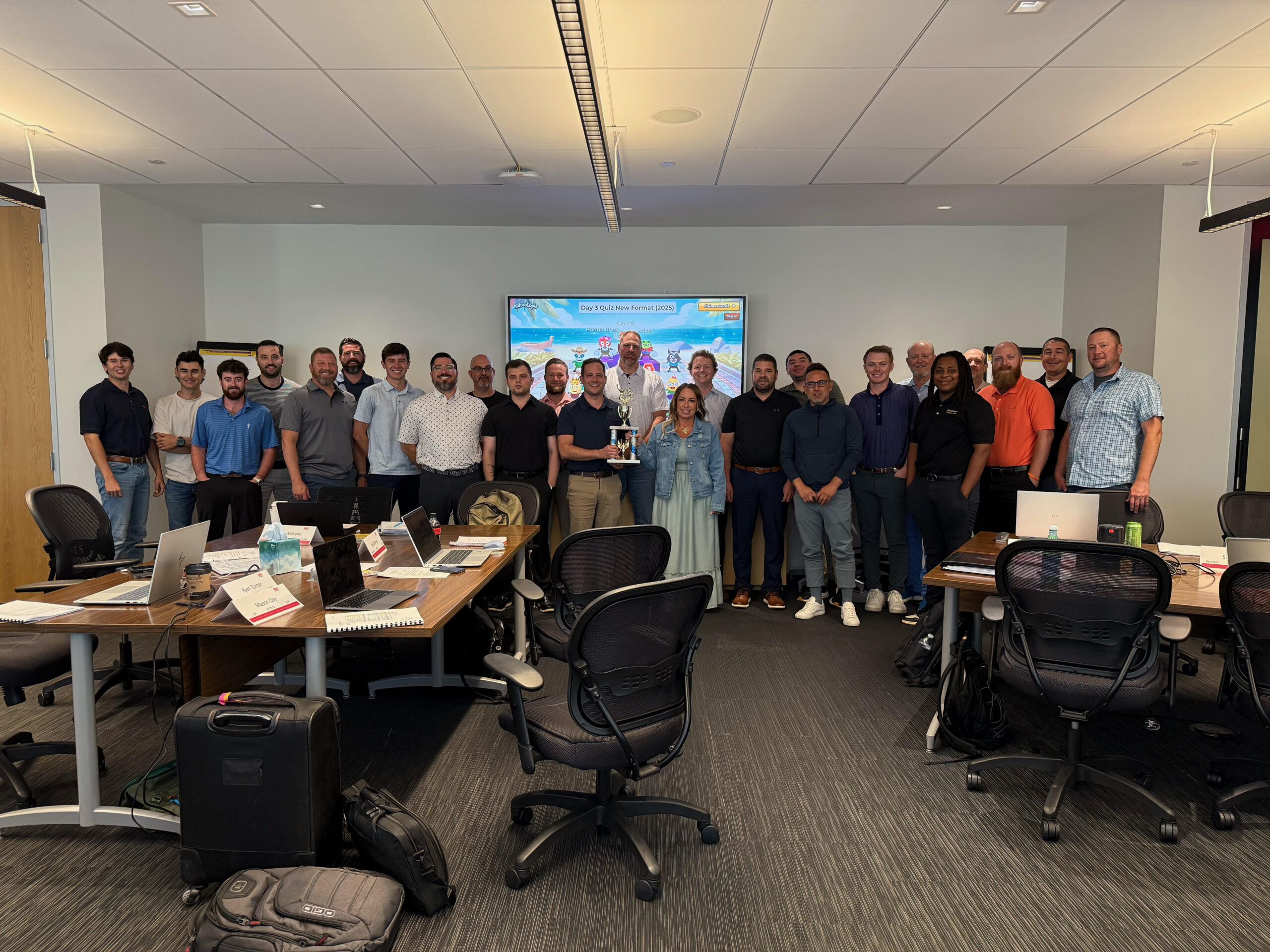
What impressed me most at the Academy was how advanced the tools and formulas have become for measuring performance. I did more math last week than I had since grade school (and I enjoyed it this time around!). When it comes to parts, dealers can now extract precise insights from their financial statements and compare against industry benchmarks to identify untapped opportunities. It’s no longer guesswork; data and technology give us the power to run parts departments with the same rigor and attention that we devote to sales and service.
Of course, the classroom lessons also highlighted where we fall short. In one exercise, “mystery calls” to parts departments revealed poor customer experiences — calls were dropped over our inability to provide VIN numbers. Of the 27 phone calls we made to parts departments, only one captured our contact information. That’s a lot of missed opportunities to build relationships.
Meanwhile, aftermarket competitors can look up a car by license plate and deliver a seamless transaction. That technology exists for dealerships too, and we must use it if we expect to compete in today’s marketplace.
Of the 27 phone calls we made to parts departments, only one captured our contact information. That’s a lot of missed opportunities to build relationships.
Parts teams must also understand that savvy customers increasingly shop online for parts, but dealerships have the advantage of expertise, guaranteed-fit OEM options, and warranty support. A customer treated well at the parts counter may return for service — or even to buy or service their next car.
So I ask you: When was the last time you gave your Parts department a tune-up?
Education reinvigorates us. Whether you are new to the industry or decades into your career, the NADA Academy offers a chance to sharpen skills, renew commitment, and gain the tools to better serve your customers.
For me, spending a week as a student along with others many years younger reinforced one truth: the future of this business depends on our willingness to keep learning and on recognizing that every department deserves the attention and respect it has long earned.